







Search Results for: Guji Shakiso
Flavor Analysis and Origin Introduction of Ethiopia Guji Shakiso Dambi Uddo G1 Coffee Beans
The Guji production area has risen rapidly in Ethiopia's specialty coffee landscape in recent years. As its core micro-region, Shakiso frequently produces beans that astonish the industry, thanks to its superior terroir and processing techniques. This article focuses on the G1-grade coffee beans produced by the Gigesa processing station, thoroughly outlining their flavor performance under both washed and natural processing methods, and providing an in-depth introduction to the administrative divisions of Guji-Shakiso, the background of the processing station, and the development trajectory of the production area. Whether you want to understand the trends of Ethiopia's emerging production areas or are looking for the next specialty bean worth buying, this article offers valuable reference. Front Street Coffee will also recommend related products worth your attention. [more…]
Ethiopia Guji Coffee Flavor Analysis: Characteristics of 74110 and 74112 Varieties and Introduction to the Shakiso Wako Lot
The Guji region of Ethiopia is renowned worldwide for its unique flavors and excellent varieties. This article will delve into the origin background, traceability, and the origins and characteristics of the two heirloom varieties, 74110 and 74112, used in Shakiso Wako organic coffee. These two varieties were developed by the Jimma Agricultural Research Center in the 1970s to resist coffee berry disease and are now widely cultivated in the Guji region. The article will also share the tasting notes of this batch of coffee, including mild citrus acidity, grapefruit, jasmine, and sweetness flavor characteristics. Whether you are a coffee enthusiast or a professional, you can gain a deeper understanding of Ethiopian coffee from it. Front Street Coffee recommends that you pay attention to this high-quality coffee with structure and sweetness. [more…]

Deep Dive into Ethiopia's Guji Region: The Flavor Code of Hambela, Shakiso, and Uraga
Guji is a highly regarded specialty coffee region in southern Ethiopia. Since being independently classified within the ECX trading system in 2010, it has quickly risen to fame thanks to its highly distinctive flavors. This article takes you deep into Guji's geographical environment, volcanic soil, and high-altitude climate, and analyzes the characteristics of its three sub-regions—Hambela, Shakiso, and Uraga—one by one. From the birthplace of "Huakui" to the stories of gold mining history and its rise through the TOH competition, and then to an analysis of the Trabocca flavor map, it presents the complex aromas and regional charm of Guji coffee in full. Front Street Coffee will also recommend noteworthy Guji beans for you. [more…]
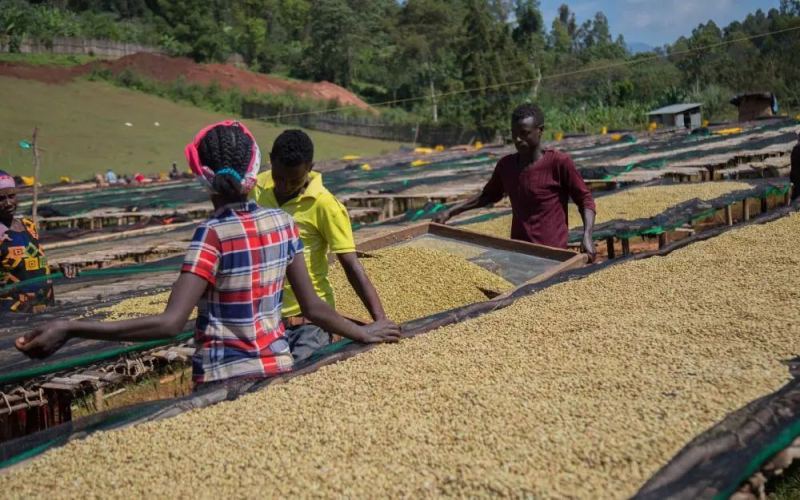
Ethiopia Guji Region Coffee Flavor Analysis: Hambela, Shakiso, Uraga Sub-regions and Huakui Bean Characteristics
Guji is the second specialty coffee region in Ethiopia to become independent from Sidamo after Yirgacheffe, and it quickly rose to fame in just over a decade thanks to its highly recognizable regional flavors. Guji has complex terrain and deep volcanic soil, and its high altitudes and significant day-night temperature differences together create a rich array of aromatic compounds. Its sub-regions such as Hambela, Shakiso, and Uraga each have their own characteristics: Hambela is the birthplace of "Huakui," Shakiso is known for its lemon-honey profile, and Uraga stands out for its tea-like body and floral-fruity aroma. Front Street Coffee's Huakui comes precisely from naturally processed beans in the core Hambela production area. This article will provide a complete analysis of the flavor code of Guji coffee, from regional divisions and terroir conditions to processing methods and brewing parameters. [more…]
A Detailed Guide to Specialty Coffee from Ethiopia's Guji Region: Flavor Characteristics of the Hambela, Shakiso, and Uraga Sub-Regions
Guji is one of the most recognizable producing regions in Ethiopia's specialty coffee landscape. It was separated from Sidama in 2010 and administratively belongs to the Oromia Region. Here, high mountains and deep valleys, fertile volcanic soil, and sharp temperature differences between day and night give rise to coffees with both floral and fruity notes. Guji encompasses several well-known sub-regions, including Hambela, Shakiso, and Uraga, among which Hambela is the birthplace of the "Huakui" coffee beans. This article systematically reviews Guji's geography and terroir, the flavor characteristics of its various sub-regions, and the origin background, processing methods, and brewing suggestions for Front Street Coffee Sidama Natural Huakui, helping coffee enthusiasts gain a comprehensive understanding of this region's unique charm. [more…]
Ethiopia Sidamo Guji Shakiso Coffee: Origin Characteristics, Variety Processing Methods, and Flavor Analysis
Ethiopia, as the birthplace of coffee, is home to two renowned regions: Yirgacheffe and Sidamo. Among them, Sidamo is located on the southern highlands and is known for its balanced acidity and full body. The Shakisso area in Guji is even more distinctive, where unique terroir and historical background give the coffee rich and diverse flavors. This article will take an in-depth look at the regional characteristics, grading systems, and variety overviews of Sidamo and Shakisso, and share the pour-over extraction parameters recommended by Front Street Coffee, leading you to appreciate the berry sweetness and winey charm of natural-process beans. [more…]

Ethiopia Shakiso Washed G1 Coffee: Flavor Analysis and Origin Guide of Earl Grey Aroma and Caramel Sweetness
In coffee tasting, a tea-like character often implies a clean, translucent texture and a long, sweet finish. If you want to capture this delicate experience, Front Street Coffee Sidamo Huakui 11 is a great entry choice—traditional natural processing paired with a medium-light roast, from Guji Hambela, it presents layers of cream strawberry, citrus, guava, and dried mango after pour-over, with a clear black tea note in the finish. This article, however, will focus on another micro-lot also from the Guji region: Shakiso washed G1. It is located in the Guji zone of Sidamo and is known for its Earl Grey tea, lemon, citrus, and caramel flavors. Ninety Plus's legendary bean Nekisse is named after the nectar of Shakiso. The following will outline its regional background, processing method, and complete flavor profile. [more…]
Ethiopia Guji Zone In-Depth Analysis: The Terroir Code of the Shakiso Micro-Region and the Traceability of 90+ Legendary Lots
Ethiopia, as the birthplace of coffee, has a regional division system like a precise pyramid, nested layer by layer from Region down to kebele. Southeast of Yirgacheffe lies a micro-region with an altitude exceeding 1,800 meters—Shakisso—where fertile black soil and significant day-night temperature differences nurture coffee flavors that astonish international specialty buyers. In 2010, Guji was made an independent region by the ECX, and Shakisso is the brightest star on this land. From the legendary 90+ bean Nekisse to Level Up's Flower Language, what terroir logic and processing techniques lie behind these repeatedly high-scoring coffees? Front Street Coffee will take you deep into Guji to uncover the unique charm and market value of Shakisso coffee. [more…]
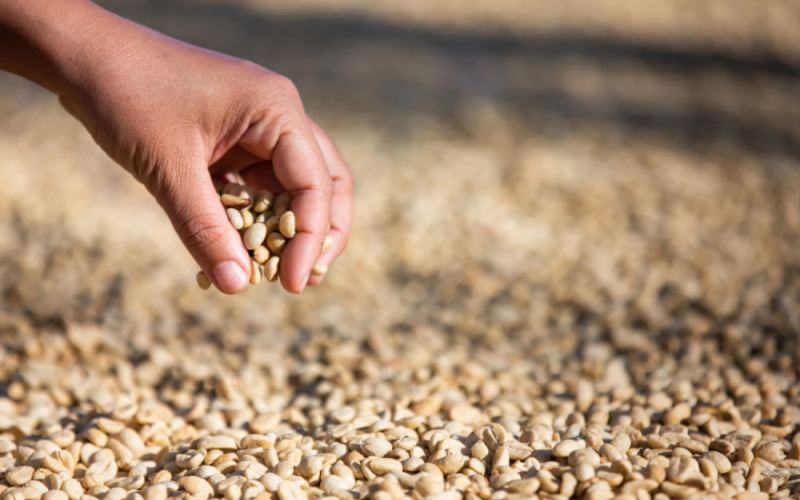
Ethiopian Sidamo and Shakiso Coffee Flavor Analysis: Nutty Fruity Aromas and the Differences Between Natural and Washed Processing
Sidamo is an important coffee-producing region in southern Ethiopia. Its flavor is completely different from Yirgacheffe, and it is known for its rich, juicy sweet-and-sour taste. Starting from the region's divisions and geographical conditions, this article sorts out the context of subregions such as Guji, Shakiso, and Hambela, and focuses on introducing the origin of Huakui coffee and the characteristics of its natural processing. At the same time, it compares the effects of washed and natural processing methods on Sidamo's flavor, analyzes the sources of flavors such as nuts, cocoa, and floral and fruity aromas, and recommends two single-origin coffees, Front Street Hamasho 74158 and Front Street Natural Huakui, to help coffee lovers more clearly choose the Ethiopian flavor they like. [more…]
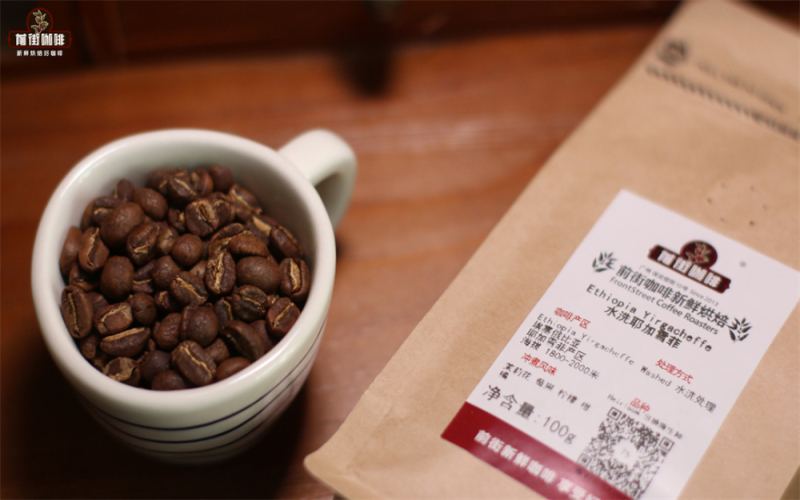
A Comprehensive Analysis of Ethiopian Sidama Washed Coffee and the Shakiso Region Classification System
Ethiopia's Sidamo region is renowned for its diverse flavors and exceptional terroir, standing alongside Yirgacheffe as a major specialty coffee stronghold. This article begins with an overview of the Sidamo region's characteristics, then examines the terroir conditions and signature coffees of sub-regions such as Guji, Hambela, and Shakiso one by one. It also explains in detail Ethiopia's G1 to G6 grading system, which is based on the proportion of defective beans, and compares how the two major processing methods—washed and natural—affect flavor profiles. At the same time, it presents Front Street Coffee's professional recommendations and tasting perspectives on this region, guiding you to a deeper understanding of the full picture of Sidamo coffee. [more…]
Ethiopia Guji Region Coffee Bean Varieties, Flavor Profile, and Pour-Over Parameters Detailed Guide
Guji is a specialty coffee region in Ethiopia that has attracted much attention in recent years, having become independent from Sidama thanks to its distinctive floral and fruity flavors. This article systematically reviews the geographical environment of the Guji region, the terroir characteristics of sub-regions such as Hambela, Shakiso, and Uraga, and focuses on the Front Street Huakui coffee beans that made Guji famous—from the natural processing method at the Buku Abel processing station to the complete parameters for V60 pour-over, helping coffee lovers gain a comprehensive understanding of this region's unique charm and brewing key points. [more…]
Ethiopian Yirgacheffe and Sidamo Regions Explained: A Complete Guide to Brewing and Flavor of Front Street Coffee's Huakui Beans
Ethiopia, as the birthplace of coffee, often confuses beginners with its regional divisions. There are only three officially registered producing regions—Yirgacheffe, Sidamo, and Harar—but the micro-regions actually in circulation are far more numerous. Front Street Coffee will guide you through the relationships among these regions, with a focus on popular sub-regions such as Guji Hambela, Shakiso, and Uraga. The article will also provide a detailed breakdown of the origin information, processing method, and flavor characteristics of Front Street's Huakui G1 coffee beans, along with practical brewing suggestions to help you better savor this natural-process bean with its strawberry and cream aromas. [more…]
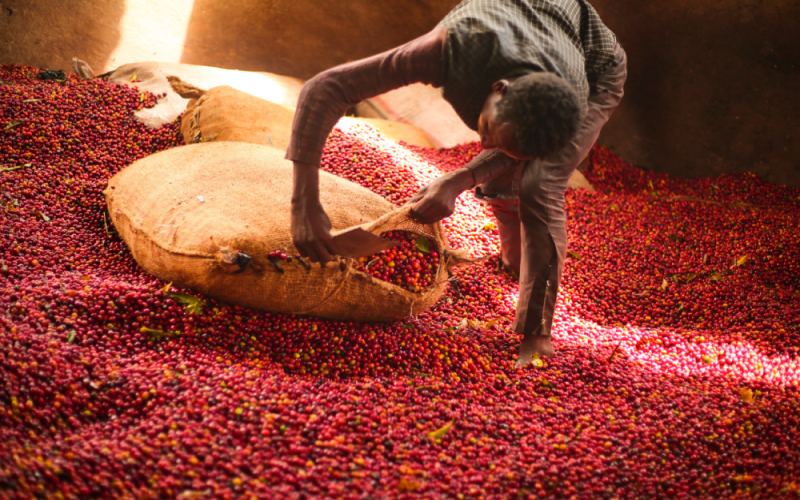
Exploring Ethiopia Sidama Shakiso Micro-Region: Washed Processing and Unique Flavor Brewing Analysis
In the Guji zone of Sidama, Ethiopia, beyond the renowned Hambela, there lies a distinctive micro-region—Shakisso. Once a gold mining area, this place is now known for its unique terroir, which nurtures coffee beans with a lively flavor and bright acidity. Through cupping, Front Street Coffee has discovered that Shakisso coffee exhibits a bright acidity reminiscent of lemon and citrus, accompanied by layers of white grape juice and blackcurrant, with a finish that carries notes of Earl Grey tea, contrasting sharply with the sweeter and fuller-bodied styles of other areas in Guji. This article will delve into the geographical environment, historical background, and washed processing techniques of Shakisso, and share Front Street Coffee's roasting insights and brewing parameters, offering a comprehensive understanding of this unique Ethiopian coffee. [more…]
Ethiopia Guji Region Coffee Flavor Analysis: From Yirgacheffe Gedeb Village to Shakiso—Grading and Regional Evolution
As the birthplace of coffee, Ethiopia's regional divisions and flavor profiles have always been a focal point for coffee enthusiasts. This article will provide an in-depth analysis of the rise of the Guji Zone, starting from the four-tier administrative system of Region, Zone, Woreda, and Kebele, to explain the positioning of Guji-Shakisso within Oromia Region→Guji Zone→Shakisso woreda. At the same time, using the Yirgacheffe Geddida Village washed G1 lot as an example, it will fully present the production background, varieties, processing methods, and flavor layers of smallholder farmer Alimbukato, and trace the historical context of Geddida Village's independence from the Worka Cooperative in 2012. The article also covers the scale, organic certification, and high-altitude terroir conditions of the Worka Cooperative, helping readers comprehensively understand why Ethiopia's Guji Zone has become a hotspot that cannot be ignored in specialty coffee in recent years. [more…]
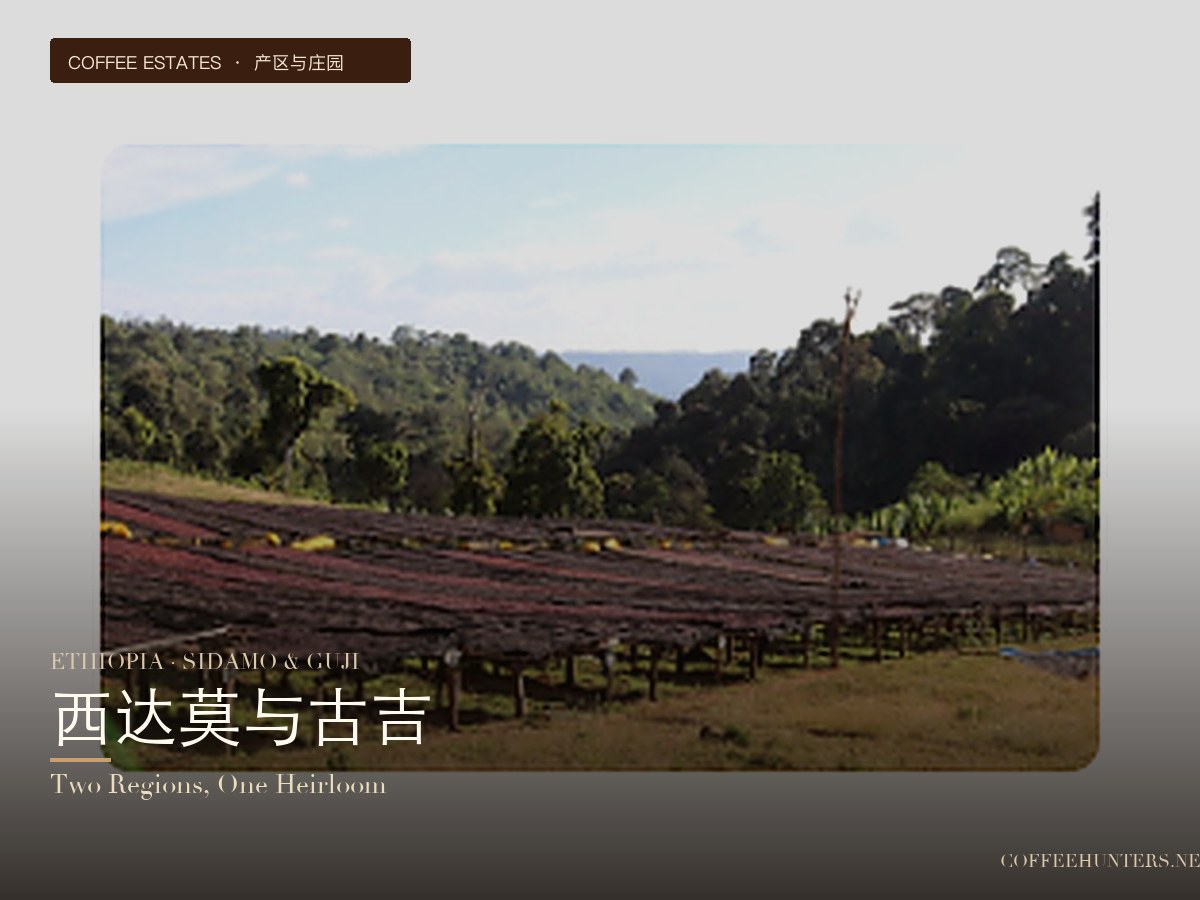
Ethiopia: Sidamo and Guji: A Flavor Divide Between Two Major Producing Regions
Sidamo and Guji are the two specialty coffee regions in southern Ethiopia most often mentioned side by side. This article helps you clarify the flavor divide between them from four dimensions: history, geography, variety, and processing method. [more…]
Ethiopia Guji Region Specialty Coffee Beans: Variety Characteristics, Flavor Profile, and Pour-Over Recommendations
Guji has been a产区 in Ethiopia that has attracted much attention in the specialty coffee circle in recent years, and its Shakiso micro-region is especially known for producing high-quality coffee beans thanks to its superior terroir conditions. Starting from the reform of the ECX trading system, this article sorts out the administrative division and naming logic of Ethiopia's coffee-producing regions, focusing on the origin environment, processing methods, and flavor characteristics of Guji-Shakiso, and comparing the market changes of neighboring regions such as Yirgacheffe. The article also recommends the Guji-Hambela Huakui 2.0 coffee beans roasted by Front Street Coffee, balancing quality and value for money, suitable for pour-over enthusiasts to refer to when purchasing. [more…]
Ethiopia Guji Region Natural Sidama: In-Depth Analysis of Mormora Farm Coffee Bean Flavor and Roast Profile
Located in the Shakiso Mormora farm in the Guji region of southern Ethiopia, this family-run operation has been cultivating native heirloom coffee at altitudes between 1,850 and 2,000 meters since 2012, using natural processing and graded Grade 1. This bean showcases a red wine aroma with a ripe fruit core, while spice and pepper notes emerge in the mid-to-late palate. This article provides a detailed introduction to the region's background, Mormora farm's cultivation philosophy, and, combined with Front Street Coffee's roasting experience, explores the distinctly different flavor expressions under light and medium-dark roasts—from the plum and berry wine notes of a City Roast to the Belgian dark chocolate and raspberry syrup texture of a Full City—offering coffee enthusiasts a comprehensive roasting and tasting reference. [more…]
In-Depth Analysis of Single-Layer Sun-Dried Slow Fermentation (SLD): How the Hambela Region Produces High-Quality Natural Coffee
In the Guji region of Ethiopia, there is a place called Hambela that is quietly changing people's perception of natural coffee. Here, a processing method known as SLD—Single Layer Drying slow fermentation—is used, spreading coffee cherries in a single layer on raised beds and subjecting them to about 18 days of precise drying, so that every cherry receives the most even airflow and the fullest fermentation. Although this technique takes up more space and time, it gives the beans fuller sweetness and greater storage potential. Compared with traditional Yirgacheffe, Hambela coffee is gentler in acidity, yet superior in sweetness and body. This article will take you deeper into what makes this processing method unique and how it influences the final flavor of the coffee. Front Street Coffee also particularly recommends paying attention to beans from this region and experiencing their appealing expression, as warm and smooth as fruit tea. [more…]
Ethiopia Hambela Estate Single-Layer Sun-Dried Slow Fermentation Method: How the SLD Process Creates High-Quality Natural Beans
Ethiopia, as the birthplace of coffee, has seen a continuous emergence of high-quality lots in emerging producing regions such as Guji in recent years. This article focuses on the single-layer sun-dried slow-drying Lot 121 produced by a single farm in St. Lion Village of Front Street Hambela Estate, offering an in-depth analysis of this rare processing method known as SLD—where only a single layer of coffee cherries is spread on raised beds, the drying period is strictly controlled at around 18 days, and the fruit is allowed to fully ferment through the most perfect convection environment, thereby imparting fuller sweetness and body to the coffee beans. The article also examines why Ethiopia's smallholder-dominated production system makes single-farm traceability difficult to achieve, how Hambela Estate owner Aman adheres to quality at extremely high cost, and compares the subtle flavor differences between the Guji region and Yirgacheffe. [more…]
Shakisso in Ethiopia's Guji region: A full analysis of coffee beans from origin conditions to flavor performance
Ethiopia's administrative hierarchy consists of four levels: Region, Zone, woreda, and kebele, and the naming of local green coffee beans often follows this system as well. The Guji-Shakisso focused on in this article is located southeast of Yirgacheffe and, in terms of administrative division, falls under Oromia Region → Guji Zone → Shakisso woreda, making it a regional-type coffee origin. Thanks to its outstanding geographical conditions and cup performance, Guji is an independent ECX production region, and Shakisso is one of its much-watched micro-regions. This article will sort out its altitude, soil, processing methods, and flavor characteristics, and review Shakisso's impressive achievements on the international specialty coffee stage. Front Street Coffee also continues to pay attention to high-quality lots from this production area, bringing coffee lovers choices worth tasting. [more…]